What is hot chamber die casting?
The word hot describes the injection mechanism’s position in the molten metal. Hot chamber pressure die casting is a pressure-injection process; the name does not mean that metal is simply poured into a warm mold. The North American Die Casting Association’s process FAQs distinguish it by the submerged injection system.
There are different metal states within the same cycle. The supply bath stays molten while the metal inside the die cools into a solid casting. The next shot comes from that liquid bath.
For a visual account of the metal path, see Laszlo Lipot’s hot-chamber process diagrams.
Parts that move the metal from bath to die
The feed path runs from the bath, through the injection chamber, along the gooseneck and nozzle, and into the die. As the plunger rises, an inlet opens so metal can enter the chamber. Its downward stroke closes that inlet and drives metal toward the cavity.
The machine also has a clamping mechanism and an ejection mechanism. Clamping closes the fixed and moving die halves; injection fills the closed cavity; ejection removes the solid part. These functions belong to the same sequence, but perform different jobs.
| Part | Role |
|---|---|
| Heated pot | Maintains the liquid metal supply. |
| Plunger and inlet | Admit metal, then isolate the chamber for injection. |
| Gooseneck and nozzle | Connect the injection chamber to the die. |
| Die halves | Enclose the cavity that forms the casting. |
| Ejector pins | Push the solid casting from the ejector side. |
Air needs an escape route as metal fills the cavity. Venting, cooling passages and ejector-pin placement are therefore part of die design, rather than accessories that can be ignored once the metal reaches the mold.
The hot chamber die casting process, step by step
Prepare the die and maintain the melt
The die is preheated, and the gooseneck and nozzle are heated to keep the metal molten along its feed path. The furnace maintains the liquid charge.
Fill the chamber and close the die
With the plunger returned, molten alloy enters through the inlet. The die closes for the next injection. NADCA’s hot-chamber description follows this inlet-and-plunger action through to ejection.
Inject into the closed cavity
The injection piston moves down and forces metal into the die. The clamp holds the die halves together during this operation. The Japan Mining Industry Association’s zinc process explanation separates clamping, injection and opening into distinct actions.
Hold while the casting solidifies
Pressure is maintained while the metal in the cavity solidifies. The heated feed system still contains liquid metal. Opening the die belongs after solidification, not immediately after the cavity has filled.
Open, eject and reset
After solidification, the die opens and ejector pins release the casting. The open die is lubricated before closing; the returning plunger uncovers the inlet for refilling.
Ejection does not necessarily produce a finished component. Gates connecting the casting to its feed system may need removal and finishing. Depending on the part, drilling, tapping or machining can follow. These are downstream operations, separate from filling and solidifying the cavity; the industry association’s post-processing guide describes their roles.
A production workflow also includes trials and checks of dimensions, shape and other requirements before volume manufacture. The zinc manufacturing process overview places trial casting before production and shows finishing afterward. A repeating machine cycle is one part of that wider workflow.
Which alloys fit the hot chamber process?
The submerged mechanism limits which alloys suit the process. NADCA lists zinc, lead, tin and some magnesium alloys, with suitability tied to melting temperature and interaction with steel. An alloy that works in one casting process should not automatically be treated as suitable for every hot-chamber installation.
Zinc is widely associated with hot-chamber casting because zinc casting alloys have relatively low casting temperatures and little tendency to attack steel at those temperatures. NADCA’s zinc alloy guidance explains this relationship. The exact alloy designation still matters: composition and required properties belong in the engineering discussion, rather than being reduced to the word “zinc.”
The cold-chamber feed arrangement is commonly used for aluminum, where molten metal is introduced into a sleeve for injection. For a fuller explanation of that different feed arrangement, read hot chamber vs cold chamber die casting.
Advantages of hot chamber die casting and their limits
The direct feed removes the need to transfer metal to the injection mechanism for every shot. That can support higher production rates. It explains a process advantage; it does not establish a universal cycle time or a finished-part output for every mold.
Release from the tool still matters. A casting needs appropriate draft: the taper that helps it leave the die. The required draft varies with the alloy, the depth of the feature and the surface involved. As NADCA’s draft guidance explains, internal and external surfaces do not all release in the same way. Fast injection cannot substitute for a part that can be ejected cleanly.
Wall geometry also remains a design question. NADCA recommends consistent wall thickness where practical and transitions where thickness changes are needed. Its uniform-wall guidance provides no universal minimum wall thickness. A thin feature therefore needs evaluation as part of the actual component, rather than a blanket promise attached to the process name.
Useful die-cast design starts with the function of the component. Features that otherwise require machining may sometimes be formed in the casting, while other operations remain necessary. NADCA’s design principles connect those decisions to product requirements and testing. The practical question is which features the casting can deliver satisfactorily, and which need further work.
YOMATO equipment context
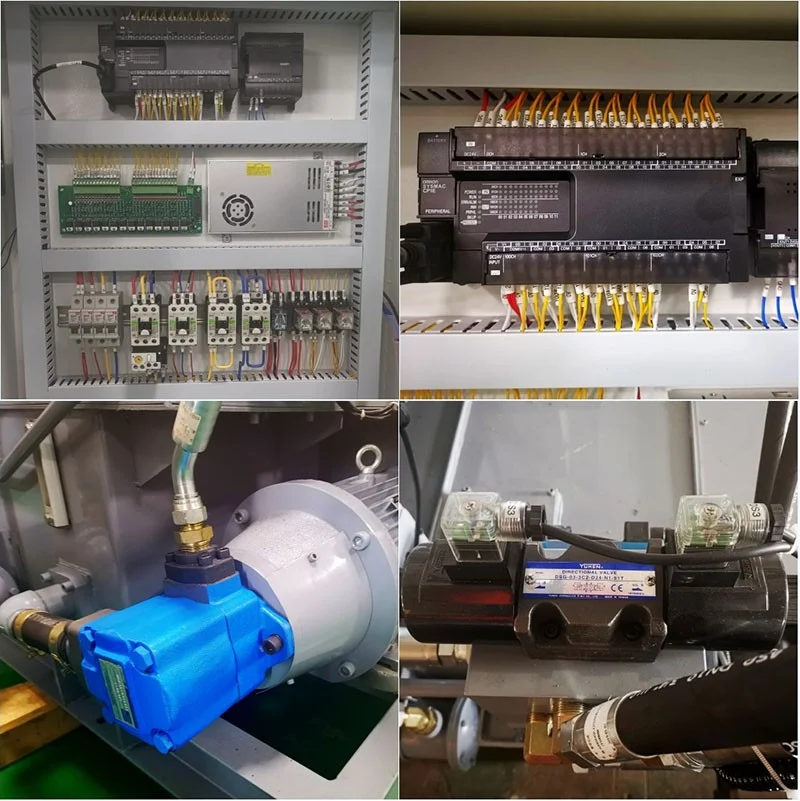
YOMATO offers DM series hot-chamber die casting equipment. The DM series description includes an electrical melting furnace as standard, with fuel-oil or natural-gas furnace arrangements available for special requirements. It also describes two-stage injection control. These details connect the process to a particular equipment family; they do not replace the alloy, tooling and part requirements for an application.
Explore the DM series zinc die casting machine page for equipment context. For a project discussion, bring the alloy designation, part drawing, critical features and intended finishing operations so the conversation follows the complete part workflow. Contact sales@hotchamberdiecasting.com.
Hot chamber die casting questions
These questions bring the feed mechanism, material limits and cycle sequence together.
Questions and answers
What is the hot chamber die casting process?
It is a pressure-injection process with the injection mechanism immersed in molten metal. The plunger fills and then seals its chamber, pushing metal through a gooseneck and nozzle into the die. After solidification, the die opens and ejects the casting.
What is the difference between cold chamber die casting and hot chamber die casting?
The distinction is how metal reaches the injection system. A cold-chamber machine receives molten metal in a cylindrical sleeve, manually or by an automatic ladle. A hot-chamber machine draws from its molten bath through the immersed mechanism. The die still supplies the shape of the casting.
Which metal is most suitable for hot chamber die casting?
Zinc casting alloys are a common fit because their casting temperatures and limited attack on steel permit hot-chamber processing. Suitability still depends on the specific alloy and component requirements. An alloy name alone is not a specification for the complete casting application.
What are the steps involved in the die casting process?
For the hot-chamber process described here, the central sequence is to clamp the die, inject molten alloy, wait for solidification, then open the die and eject the casting. The sequence links each machine action to the change from liquid metal to solid part.