Hot Chamber vs Cold Chamber Die Casting: The Core Difference
Hot chamber and cold chamber die casting share the purpose of filling a reusable die. The important distinction appears upstream of the die cavity: where the injection mechanism sits and how metal reaches it. Keep that question separate from the mold-opening and ejection tasks.
| Comparison | Hot chamber | Cold chamber |
|---|---|---|
| Injection arrangement | Mechanism immersed in molten-metal bath | Separate cylindrical shot sleeve |
| Metal supply for a shot | Metal enters the immersed injection cylinder | Metal is transferred into the sleeve |
| Feed path | Gooseneck and nozzle to the die | Plunger drives metal from the sleeve |
| Typical material context | Suitable low-melting, non-attacking alloys | Aluminum and other qualifying alloys |
The shared casting sequence remains important. Japanese industry guidance on zinc die casting describes closing the die, injecting metal, and opening the die to eject the casting after solidification. Comparing chambers should explain the feed architecture without losing sight of those other machine tasks.
How the Hot-Chamber Metal Path Works
In the NADCA hot-chamber description, the injection mechanism is immersed in the molten-metal bath. Raising the plunger opens a port so metal can enter the cylinder. Its downward movement closes that port and forces metal through the gooseneck and nozzle into the die cavity. After solidification, the plunger withdraws and the die opens for ejection.
The integrated feed path removes the need to ladle a separate dose into the injection chamber for each shot. For a more detailed account of this cycle, read our hot-chamber process explanation.
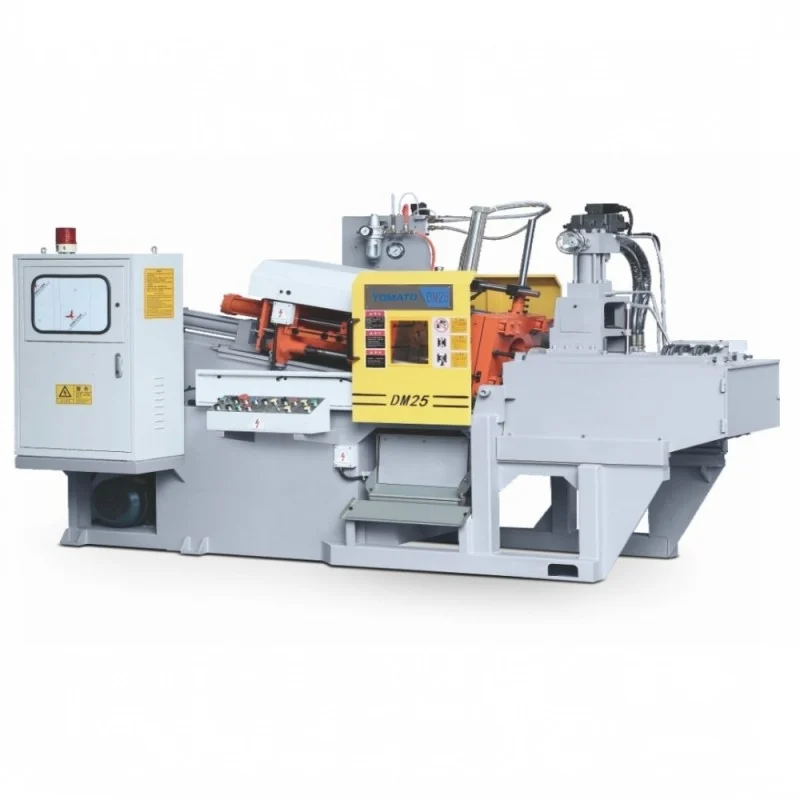
Cold Chamber Die Casting Process
The NADCA cold-chamber description starts with molten metal poured into a cylindrical sleeve, either by a hand ladle or an automatic ladle. A hydraulic plunger closes the port and forces the metal into the locked die.
This arrangement places metal transfer before injection as a separate task. The furnace-to-sleeve relationship therefore matters when reading a cell layout. The chamber is receiving molten metal; its name does not indicate a room-temperature casting operation.
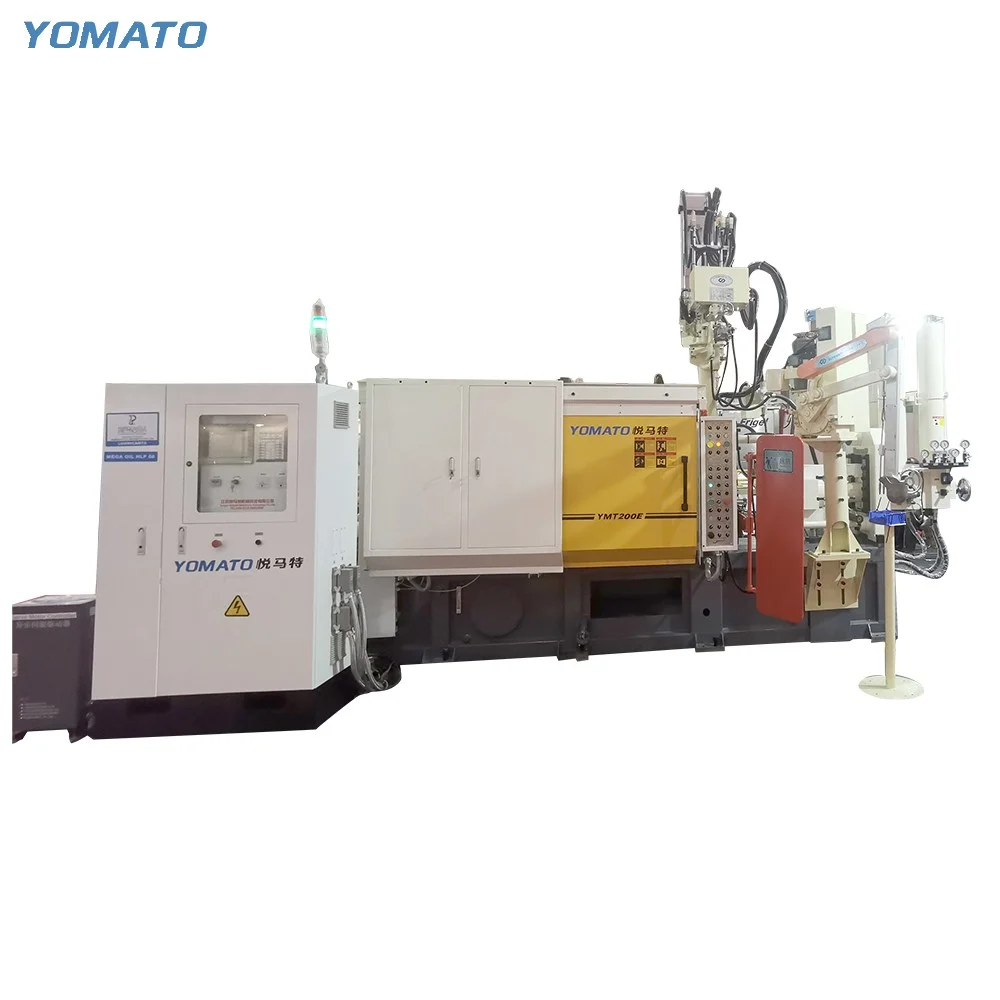
Alloy Context and Injection-System Exposure
Material lists are useful orientation, but they need qualifications. NADCA’s process FAQs associate hot-chamber casting with suitable lower-melting alloys that do not react with the immersed steel components. They list aluminum, copper, some magnesium alloys and high-aluminum-content zinc alloys among cold-chamber materials.
Magnesium therefore appears in both process contexts. Likewise, the word zinc is not enough to settle every alloy’s route. A simple metal-name label leaves out the specific alloy and its relationship with the injection system.
For an engineering discussion, keep the specified material attached to the part’s required function. A low-weight requirement, an assembly interface and a visible finish are different requirements; a chamber name does not replace any of them.
Advantages and Tradeoffs in the Production Cell
The advantages of cold chamber die casting include a separate-feed arrangement used for aluminum and other qualifying alloys.
NADCA explains that eliminating a separate metal-transfer step can give the hot-chamber process a production-rate advantage. That is a general process relationship, not an output figure for a particular casting. The die and the operations after release still matter to the work being planned.
Finished-part work is a separate issue. The Japanese lead and zinc industry center’s zinc die casting post-processing guidance describes gate removal, drilling, threading and machining where required. It makes clear that leaving the casting machine and becoming a finished product are not always the same event. Neither chamber label should be used as shorthand for eliminating all secondary work.
When comparing the two routes, separate the metal-feed sequence from the downstream sequence. A process explanation can show how the die receives metal. It cannot, by that description alone, establish the complete machining, finishing or assembly route for the part you intend to make.
Keep Process Choice Separate from Machine Specification
NADCA’s design principles start with function, sufficient performance and matching material properties to requirements.
Separate the questions in a technical discussion: what is the required alloy, what function must the casting perform, and what happens to it after release? A dimension that matters to assembly and a surface that matters to finishing should remain explicit.
Machine specifications answer a different set of questions. YOMATO supplies both hot- and cold-chamber equipment. Use the hot-chamber equipment overview for the actual HTJ and DM offering, or the MT cold-chamber equipment page for its aluminum application and mechanical fields. Those records describe equipment; this comparison explains the general processes.
Questions and answers
Which metal is most suitable for hot chamber die casting?
There is no universal best metal for every part. NADCA identifies zinc, magnesium, lead and other suitable low-melting alloys that do not readily attack the immersed components. Compatibility with that metal-feed system is the relevant qualification.
What is hot chamber die casting used for?
It produces die-cast parts from alloys suited to its immersed injection arrangement. The process name explains how the die is fed. The part’s functional requirements and any finishing operations still need their own definition.
Which die casting machines usually have a higher production rate, cold chamber or hot chamber, and why?
Hot-chamber processes can have higher rates because metal does not need a separate transfer into the injection mechanism. NADCA gives this as a general distinction. It is not a fixed cycle time or an output guarantee for every part and cell.
What is the cold chamber process in die casting?
Molten metal is ladled into the shot sleeve. The plunger seals the opening and injects it into the locked die. External metal transfer is the distinctive step before injection.
What is the difference between hot and cold chamber die casting?
The difference is primarily at the feed system: an immersed injection mechanism in the hot-chamber arrangement, compared with metal supplied separately to the cold-chamber sleeve. Die closure, filling and release are different tasks from that supply distinction.
What are the advantages and disadvantages of the die casting process?
Pressure casting uses a reusable die to form the part. Its tool and feed system must suit the job, and some castings still need gate removal, drilling, threading or machining. Compare the complete production route rather than assuming casting removes every later operation.
What is cold chamber die casting?
It is a pressure-casting arrangement with metal delivered from an external furnace to the injection mechanism. The term cold chamber refers to that mechanism’s relative temperature. The metal itself is molten when it is introduced.