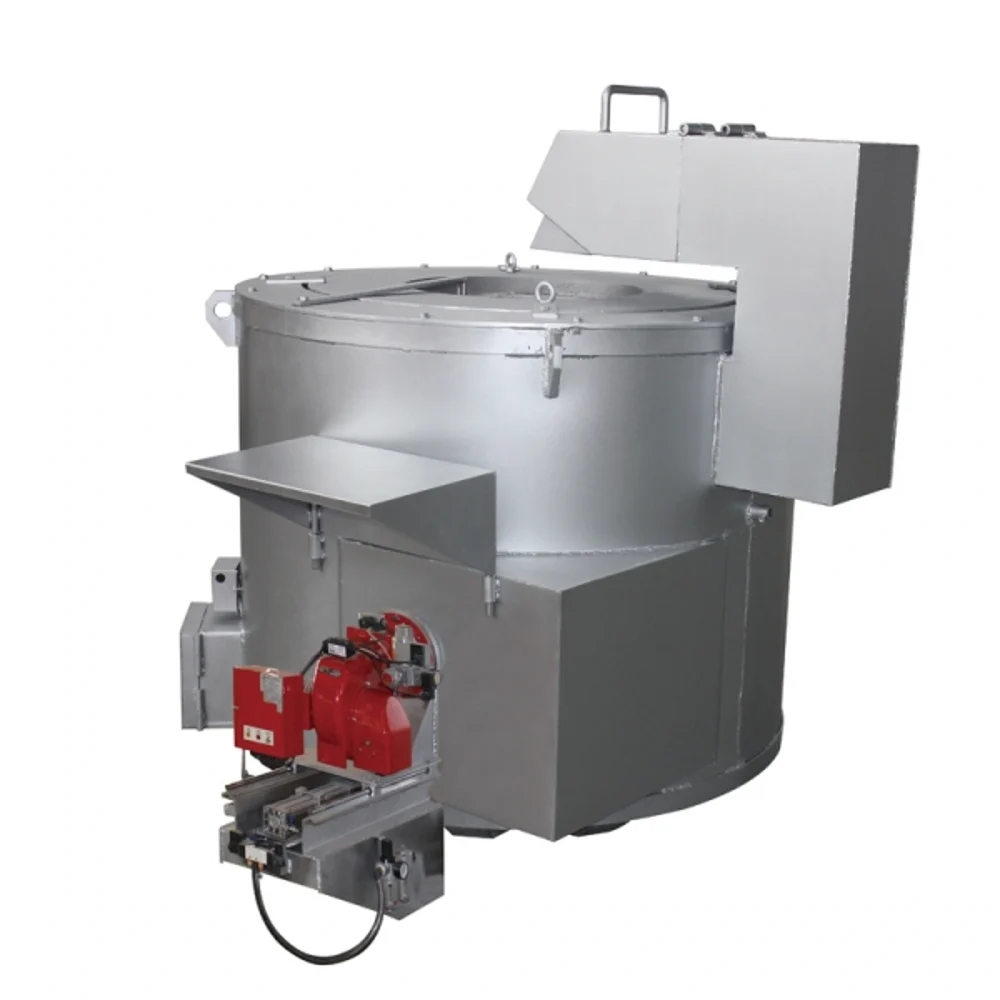
Start with the duty: melting a solid charge and maintaining a supply of molten metal are different requirements.
Industrial aluminum melting furnace and holding duties
Describe metal entering and leaving the operation as separate quantities: charge input, replenishment rate and reserve available to casting.
An aluminium die casting furnace brief should identify whether the unit supplies one casting operation or serves a wider transfer route.
GQR, GDR and CRL: the documented furnace roles
GQR: gas crucible melting
The GQR catalogue lists holding capacities from 100 to 1000 kg and melting capacities from 40 to 350 kg/h. The family is a gas crucible melting option.
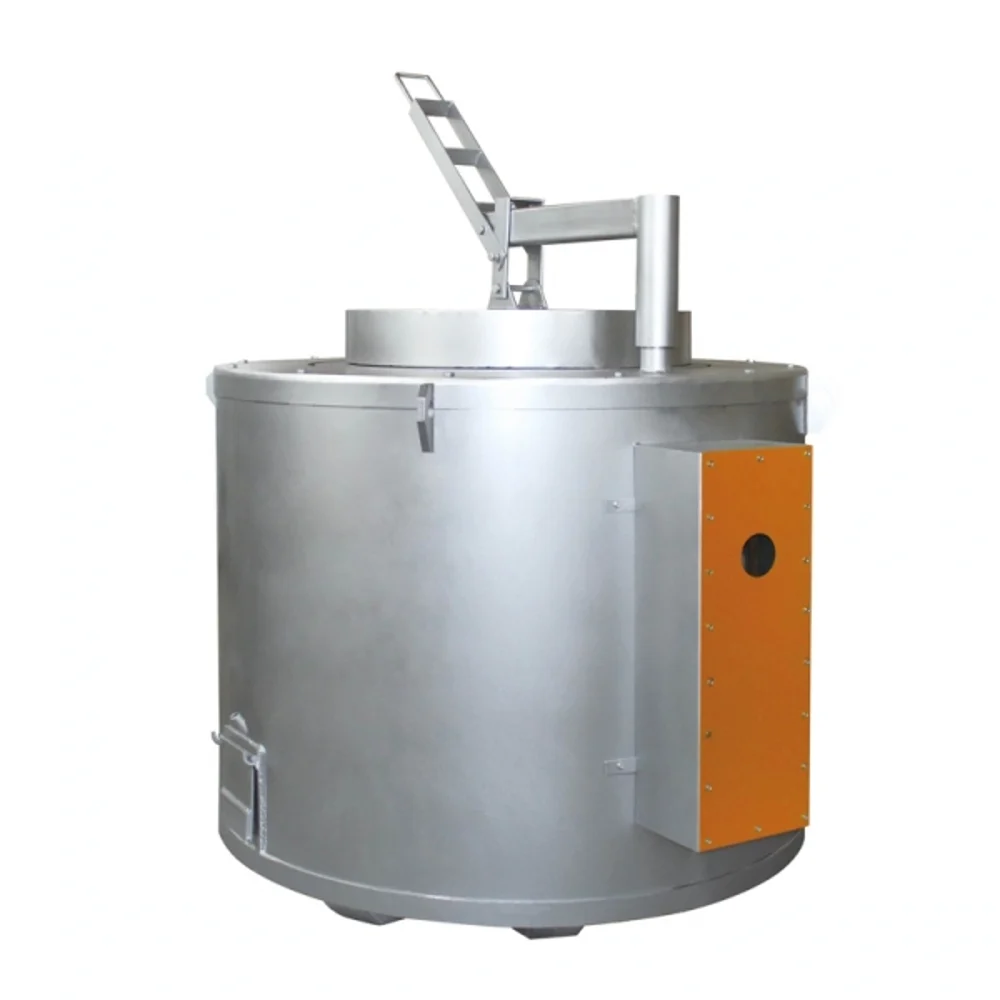
GDR: electrical-resistance crucible melting
The GDR catalogue lists 100 to 1000 kg holding capacity, 50 to 250 kg/h melting capacity and 45 to 120 kW maximum electrical power. Its resistance-heating format is distinct from induction heating.
CRL: electrical holding
The CRL holding-furnace catalogue lists capacities from 200 to 3000 kg and maximum electrical power from 12 to 45 kW. Treat the CRL holding duty separately from the GQR and GDR melting-rate figures.
Capacity, melting rate and electrical power
GQR-400 illustrates the distinction: its listed holding capacity is 400 kg, while its melting capacity is 150 kg/h.
| Quantity | Use in an equipment review |
|---|---|
| Holding mass, kg | Discuss the metal reserve or batch quantity. |
| Melting rate, kg/h | Discuss replenishment over time. |
| Maximum electrical power, kW | Review the stated electrical input rating. |
| Equipment dimensions, mm | Begin the layout and access review. |
Maximum power is not an energy-per-tonne figure or an electricity bill. Keep utility consumption, tariffs and the amount processed as separate entries when estimating operating costs.
The CRL table’s “height of the soup outlet” identifies the metal outlet height. It should not be read as the overall height of the furnace.
Plan the furnace-to-casting workflow
A die casting furnace supplies metal to an injection operation. In NADCA’s cold-chamber description, molten metal is introduced into a sleeve before the plunger injects it into the die. The furnace and that injection mechanism therefore have different roles.
For a holding furnace for die casting, place the reserve, transfer method and casting demand in the same brief. Include the alloy designation, charge form, average and peak metal demand, operating pattern, gas or electrical utilities, and available layout. Identify which handling equipment and site connections belong to the proposed package.
For the chamber-process context, see hot chamber vs cold chamber die casting.
Inspect the actual furnace families
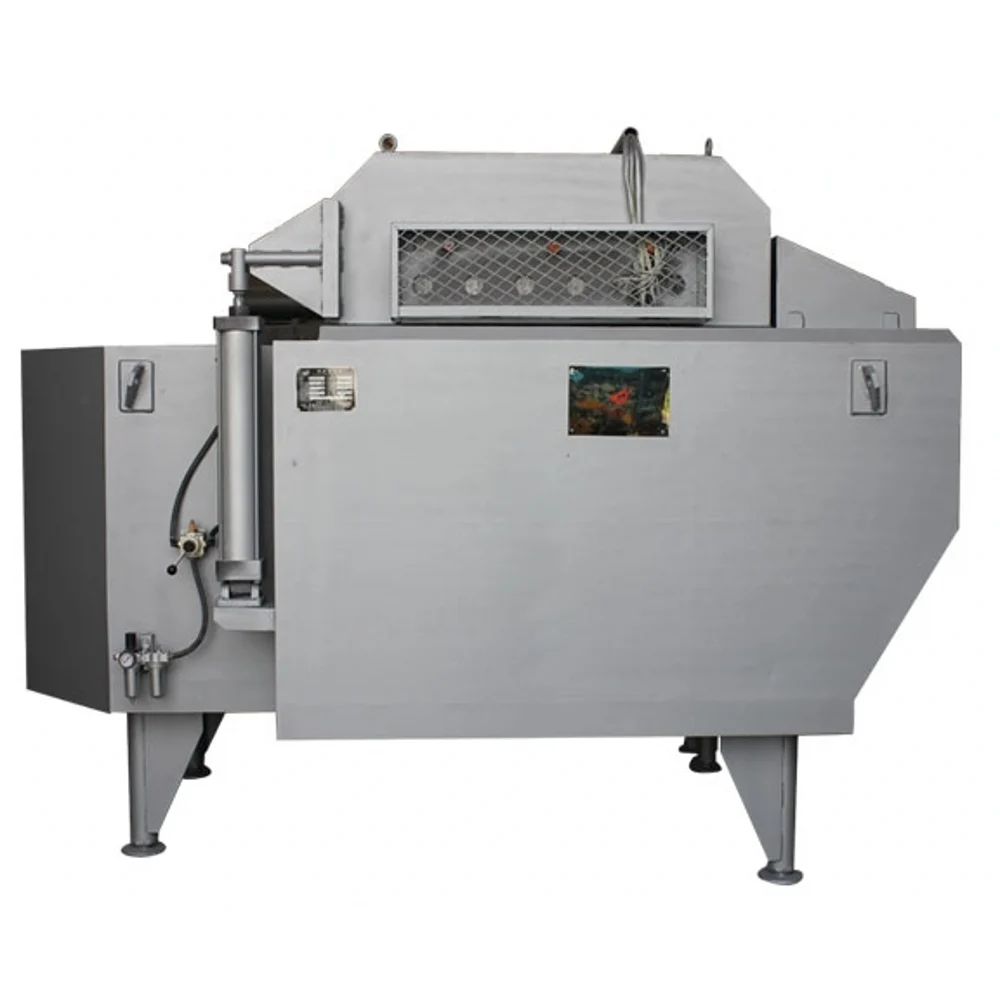
Review the GQR gas furnace model table and the GDR electrical-crucible figures above. The family photographs identify representative equipment forms; use model-specific dimensions for layout planning.
Send the application brief to sales@hotchamberdiecasting.com.
Questions and answers
What are the different types of melting furnaces?
The three choices here are GQR gas crucible melting, GDR electrical-resistance crucible melting and CRL electrical holding.
How much temperature to melt aluminum?
An alloy’s melting interval lies between its solidus and liquidus: the boundaries of the fully solid and fully liquid regions described by NIST.
The metal target for holding or transfer is a process requirement. The furnace controller setpoint is the control target, distinguished from the measured temperature in Eurotherm’s control explanation.
Record the alloy, stage and measurement location together. A melting interval alone does not specify a holding target or furnace setting.
What is a metal furnace called?
Name its task and heat source: gas crucible melting furnace or electrical holding furnace, for example. Include both in an aluminum furnace description.